Contact Desk
Early Aviation Historic Aircraft Aviation Milestones Aircraft Technology Famous Flights About Us Contact Us
📘 SUBJECT ARCHIVE

Subject Guides

Explore structured study guides, course summaries, and learning resources.

Piston Engines vs Jet Engines How They Power Aircraft Differently

AIRCRAFT ENGINEERING LAB · PROPULSION SYSTEMS Two Different Engines. One Shared Goal: Creating Thrust. Explore how reciprocating piston engines and gas-turbine jet engines convert fuel into useful power—and why different aircraft rely on different propulsion technologies. PISTON POWER JET PROPULSION AVIATION TECHNOLOGY Aircraft engines perform one of aviation’s most important tasks: providing the propulsion needed … Read more

Aerodynamic Evolution: Swept Wings, Delta Wings, and the Transonic Area Rule

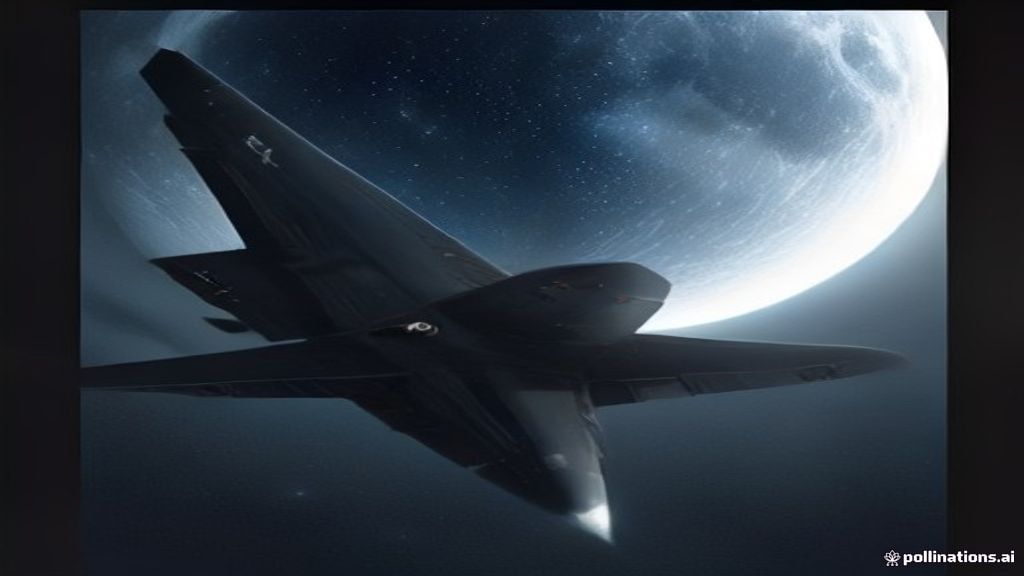
As aviation transitioned into the post-World War II jet age, aerodynamicists collided head-on with the brutal physical phenomena of the transonic barrier. Traditional straight-wing aircraft, perfected over decades of low-speed flight, suffered from violent buffet, severe trim changes, control reversal, and an exponential wall of wave drag as airspeeds approached Mach 0.8 to 1.2. Breaking … Read more

Stealth Technology in Military Aviation: From the F-117 Nighthawk to the B-2 Spirit and F-22 Raptor

For decades following the invention of radar in the 1930s, aerial warfare was an escalating contest between ground-based radar emitters and airborne countermeasures. Radar sent pulses of radio frequency energy into the sky, detected the reflections bouncing off metallic aircraft hulls, and guided surface-to-air missiles (SAMs) and interceptors directly to the target. By the Vietnam … Read more

Fly-By-Wire and Modern Avionics: The Transition from Mechanical Cables to Digital Flight Control

For more than half a century following the dawn of flight, an immutable mechanical chain linked the pilot’s hands to an aircraft’s aerodynamic control surfaces. When a pilot pulled back on the control column or depressed a rudder pedal, that muscular force was transmitted through a network of steel cables, pulleys, bellcranks, pushrods, and hydraulic … Read more

From Propellers to Jet Engines: Frank Whittle, Hans von Ohain, and the Turbojet Revolution

For the first four decades of powered heavier-than-air flight, aviation remained firmly wedded to internal combustion piston engines and rotating propeller blades. From the 12-horsepower inline engine of the 1903 Wright Flyer to the roaring 2,000-horsepower twin-row radials of World War II fighters, piston technology achieved astonishing levels of mechanical refinement. Yet by the late … Read more